Supremacy: World War 3
Stillfront Supremacy LtdStrategy
4.49.78K Reviews
- Version
- 0.250
- Installs
- 10.00M
- Age Rating
- Teen
Screenshots
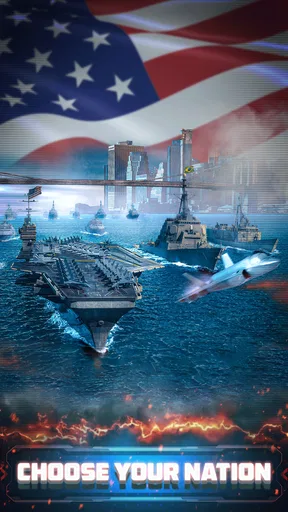
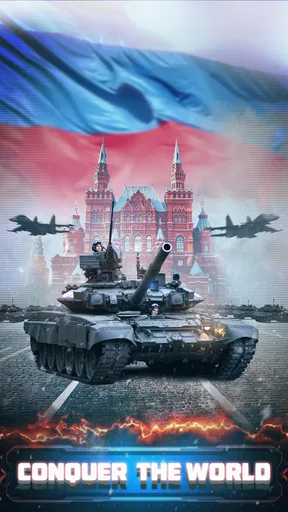
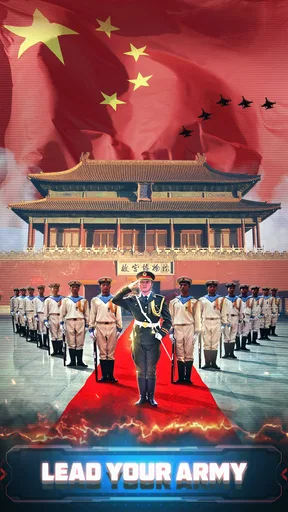
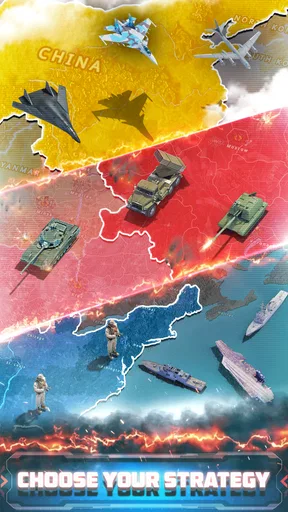

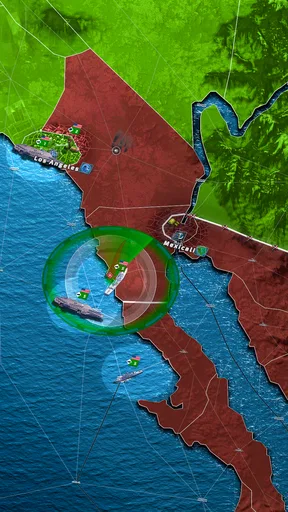
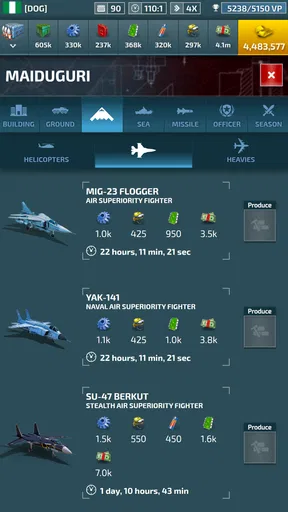
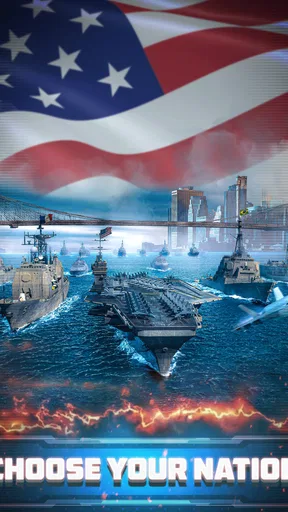
Our Review of Supremacy: World War 3
 Analysis by Appyee
I tend to judge a mobile strategy game by one practical question: does it reward planning without demanding that I stare at my phone all day? Supremacy: World War 3 sits on the demanding side of that balance. It is a modern-warfare strategy game built around a shared conflict, so the appeal is less about finishing a quick match and more about making choices that keep mattering after I put my phone down. That can be absorbing if I enjoy long-term decisions; it can feel like a chore if I want a self-contained game I can complete in a few minutes.
Decide whether you want a campaign or an ongoing conflict
The biggest choice is not whether you like military themes, but whether you enjoy uncertainty created by other people. In a conventional puzzle or turn-based mobile strategy game, I can often pause, solve the immediate problem, and leave the session behind. Here, rival players and shifting alliances are part of the experience. My plans have to account for what someone else might do, not just what the game’s rules allow.
That makes it a better fit for someone who likes checking a developing situation in short visits and thinking ahead between them. It is a weaker fit if I need every session to have a clear beginning and ending, or if interruptions make me lose track of a plan. The game is free to start, but that should not be confused with a commitment-free style of play: attention and patience are the real costs.
A useful way to approach the early decisions
When I start managing a nation, I try not to treat every available option as equally urgent. A tempting military build can compete with the economic choices that keep later plans possible. I find it more useful to ask what I need to protect first, what I can afford to delay, and which neighboring players are likely to affect those priorities. That small habit keeps me from making dramatic moves simply because they are available.
Another practical tip is to leave myself a fallback. If an alliance changes or a rival makes an unexpected move, a plan with no spare capacity can collapse quickly. I would rather keep some flexibility than commit all my attention and resources to one bold route. This is not a game where a clever opening guarantees a clean finish; other people can alter the situation while I am away.
First Impressions and Gameplay
When I first launched Supremacy: World War 3, the sleek interface immediately caught my eye. The developers have done a fantastic job of creating a visually appealing layout that’s easy to navigate. I was quickly drawn into the game’s premise: a world on the brink of war, where each decision can tip the scales towards victory or utter defeat.
The tutorial is quite comprehensive, easing you into the game mechanics without overwhelming you. As someone who appreciates learning by doing, I found the hands-on approach effective. You're given control over your own nation, and it’s up to you to build, strategize, and conquer.
Strategic Depth
The strategic depth in this game is impressive. You have to manage resources, negotiate with other players, and plan your military tactics carefully. Each decision requires careful consideration, as the game simulates real-world consequences. For instance, allocating resources to build a strong military might leave your economy vulnerable, requiring a balancing act that's both challenging and rewarding.
I particularly enjoyed the multiplayer aspect, where you can form alliances or engage in wars with other players. It adds a layer of unpredictability and excitement, as you're not just battling AI but real human intellect. This made each session unique, and more often than not, I found myself strategizing well past my bedtime!
Graphics and Sound
The graphics are top-notch, with detailed environments and realistic animations that bring the game to life. Whether it's watching your troops march into battle or witnessing the fallout of a nuclear blast, the visuals are stunning. The sound design complements this perfectly, with a dramatic score that intensifies the gameplay experience. The combination of sight and sound immerses you fully into the wartime setting.
From a phone check to a real commitment
A realistic day with this game might look like checking the map before work, making one or two careful decisions, then returning later to see whether diplomacy held or a front changed. That rhythm suits me better than trying to make every visit a marathon. Still, I would not start a match on a day when I cannot spare any attention: even a quick check can surface a decision that deserves thought, and the pull to keep monitoring events can turn a brief visit into a much longer one.
For a newcomer, I would treat the tutorial as a starting point rather than proof that every later situation will be obvious. Once other players enter the picture, there is no single safe script. I recommend learning the basic economic and military trade-offs before making an aggressive move, then watching how neighboring nations respond. If I make an early mistake, I try to identify which assumption failed instead of repeating the same plan in the next situation.
Choosing it over other strategy styles
Compared with a compact, turn-based tactics game, this is less about solving a contained board and more about managing a world that keeps developing through human decisions. Compared with a city-building strategy game focused mainly on steady expansion, its appeal leans more heavily on diplomacy and the risk of conflict. Those alternatives may be better if I want a predictable solo loop or a clearly bounded session; this game makes more sense when negotiation and uncertainty are the point.
That distinction also answers a common question: can I enjoy it as a mostly solo player? I can make my own strategic choices, but the multiplayer setting is central to the character of the experience. Someone who wants opponents that behave consistently may prefer a single-player strategy title. Someone who enjoys reading other players, proposing cooperation, and preparing for betrayal will find more of a reason to stay.
Strategic Depth
The strategic depth in this game is impressive. You have to manage resources, negotiate with other players, and plan your military tactics carefully. Each decision requires careful consideration, as the game simulates real-world consequences. For instance, allocating resources to build a strong military might leave your economy vulnerable, requiring a balancing act that's both challenging and rewarding.
I particularly enjoyed the multiplayer aspect, where you can form alliances or engage in wars with other players. It adds a layer of unpredictability and excitement, as you're not just battling AI but real human intellect. This made each session unique, and more often than not, I found myself strategizing well past my bedtime!
Graphics and Sound
The graphics are top-notch, with detailed environments and realistic animations that bring the game to life. Whether it's watching your troops march into battle or witnessing the fallout of a nuclear blast, the visuals are stunning. The sound design complements this perfectly, with a dramatic score that intensifies the gameplay experience. The combination of sight and sound immerses you fully into the wartime setting.
What the free entry does—and does not—settle
Stillfront Supremacy Ltd developed the game, which is free to download and rated Teen. It has a 4.4 average from around 178,000 ratings, with over 10 million installs. Those figures suggest a substantial audience, but they do not tell me whether its pace will suit a particular player; the shared, ongoing nature of the strategy is a more useful guide than popularity alone.
The game includes in-app purchases, with items ranging from $0.99 to $899.99. I would look at those as an optional spending layer, not as a reason to assume that buying something will fix a weak plan or make multiplayer predictable. If I am deciding whether to spend, I would first play long enough to understand which parts I genuinely enjoy and whether I am comfortable with the game’s pace. Anyone who prefers a strict no-purchase environment should be especially deliberate about that choice.
One useful trade-off is that the same openness that makes alliances interesting can make them hard to rely on. I would avoid planning around a promise until I have considered what happens if the other player changes course. Keeping a diplomatic option open while maintaining a workable independent plan gives me more room to react. That approach is less flashy than betting everything on one partnership, but it is often a better fit for a multiplayer environment where every participant has their own incentives.
In-App Purchases
Like many free-to-play games, Supremacy: World War 3 offers in-app purchases. While you can enjoy the game without spending a dime, investing in some premium content can enhance your experience. I found the pricing to be fair, and there are plenty of options to tailor your gameplay without feeling pressured to spend.
Community and Support
The community around Supremacy: World War 3 is vibrant and active. Forums and in-game chats are teeming with players discussing strategies, forming alliances, and sharing tips. I found this camaraderie one of the most enjoyable aspects of the game. Additionally, the developers are attentive, regularly updating the game and addressing player feedback, which is always a good sign.
Compatibility and the commitment to continue
The current version is 0.224, and the minimum operating system listed is 7.1. I would check that my device meets the requirement before downloading, then give the interface and pace a fair trial before deciding whether to settle in. The game has been available since September 3, 2020, so it is not a brand-new experiment; at the same time, an established player base can make the multiplayer world feel less like a private tutorial and more like a place where people already have their own routines and goals.
If I take a break and return later, I would expect to spend some time rebuilding context: what I was trying to achieve, which relationships mattered, and what changed while I was gone. That is part of the appeal for players who like a continuing strategic story, but it is a genuine switching cost. If I leave for another game that gives me a fresh match each time, I gain convenience and closure but give up the accumulated diplomatic situation that makes this one distinctive.
Final Thoughts
Overall, Supremacy: World War 3 offers a rich and engaging strategy experience that keeps you on your toes. Whether you're a seasoned strategist or new to the genre, there's something here for everyone. The combination of strategic depth, multiplayer interaction, and stunning graphics makes it a must-try for any fan of strategy games. So, if you're ready to test your tactical prowess and lead your nation to glory, this game is definitely worth a download.
Who I would recommend it to
I would recommend it most to a patient strategy fan who enjoys weighing economic choices against military plans and does not mind that other people can disrupt a carefully made schedule. It is also a strong candidate for someone who likes diplomacy as an active part of play rather than a menu item that can be ignored. The broad audience and 9,400 reviews show that many players have formed an opinion about it, but the deciding question remains whether ongoing multiplayer tension sounds enjoyable to me.
I would skip it if I mainly want short, self-contained battles, a reliably solo experience, or a game that never tempts me to check back. I would also be cautious if spending in free-to-play games is a concern; setting a personal limit before browsing purchases is wiser than deciding in the heat of a tense situation. For players who want a lighter alternative, a turn-based tactics game can offer clearer stopping points, while a primarily single-player strategy game avoids the social uncertainty that defines this one.
My recommendation is to try it when I have enough time to learn the basic decisions and then judge the pace over several visits, rather than expecting one quick session to explain the whole appeal. If the evolving alliances and long-range planning keep me curious, the game has room to become a regular strategic habit. If they feel like an obligation, I would move on without guilt: the best strategy game for me is the one whose demands match the way I actually like to play.
Privacy and Permissions
See what permissions an app requests and how it handles your data.
- Wi-Fi connection information
- view Wi-Fi connections
- Other
- view network connections, full network access, control vibration, prevent device from sleeping, read Google service configuration
Verdict
Strengths of Supremacy: World War 3
- Immersive graphics enhance gameplay.
- Wide variety of strategic options.
- Real-time global multiplayer mode.
- Regular updates with new content.
- Intuitive user interface.
Limitations of Supremacy: World War 3
- Requires constant internet connection.
- In-app purchases can be pricey.
- High battery consumption.
- Steep learning curve for beginners.
- Occasional connectivity issues.
Similar Picks in This Category
View All
Clash of Clans
Supercell4.5

Plants vs. Zombies™
ELECTRONIC ARTS3.7

Lords Mobile: Kingdom Wars
IGG.COM4.5

Clash Royale
Supercell4.4

State.io — Conquer the World
CASUAL AZUR GAMES4.1

Car Driving School : Car Games
Spark Game Studios3.9
Frequently Asked Questions
What is the main objective of Supremacy: World War 3?
Supremacy: World War 3 is a strategy game where players aim to dominate the world by building powerful alliances, managing resources, and engaging in tactical warfare. The game requires players to think critically and strategically to expand their territories while defending against opponents.
Is Supremacy: World War 3 free to play?
Yes, Supremacy: World War 3 is free to download and play. However, it offers in-app purchases that can enhance the gaming experience, such as purchasing additional resources or unlocking special features. Players can enjoy the game without spending money, but purchases can provide a competitive edge.
What platforms is Supremacy: World War 3 available on?
Supremacy: World War 3 is available on both Android and iOS platforms. Users can download it from the Google Play Store for Android devices and the Apple App Store for iOS devices. The game is optimized for mobile play, offering an immersive experience across different devices.
Does Supremacy: World War 3 require an internet connection?
Yes, an internet connection is required to play Supremacy: World War 3. The game involves real-time strategy and multiplayer interactions, which necessitate a stable connection to ensure smooth gameplay and communication with other players around the globe.
Are there any age restrictions for playing Supremacy: World War 3?
Supremacy: World War 3 is rated for players aged 12 and up. The game includes elements of war strategy and combat, which may not be suitable for younger audiences. Parents should review the content to determine if it aligns with their child's maturity and understanding.
Play our best games!


